
Grow Fresh Herbs: Your Ultimate Indoor & Outdoor Gardening Guide
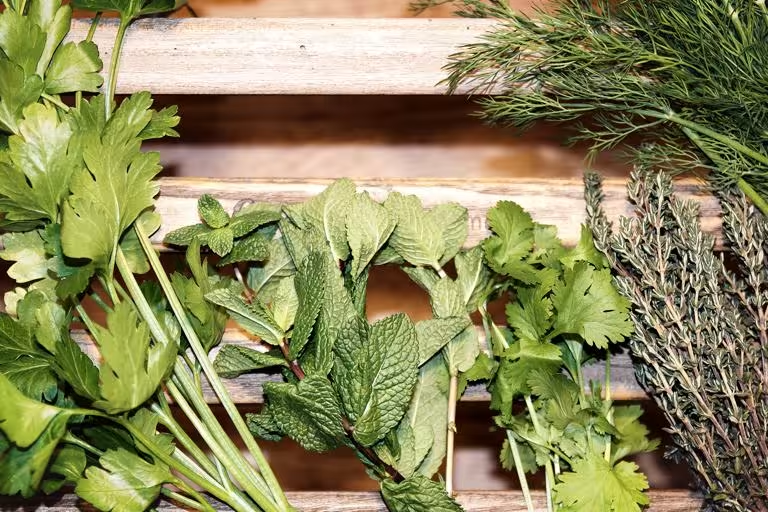
Grow Your Own Herbs: A Complete Guide for Indoor & Outdoor Gardens
Cultivating your own herbs is a wonderfully rewarding experience, bringing fresh aromas and vibrant flavors directly to your kitchen. Herbs are remarkably easy to grow, demand very little space, and can significantly elevate the taste of your everyday meals. Whether you have a compact balcony, a sun-drenched kitchen windowsill, or an expansive outdoor garden, you have the potential to nurture healthy, aromatic herbs throughout the entire year. This comprehensive guide is designed to assist you in selecting the best herbs, mastering the art of planting them, and providing the essential care they need to flourish in both indoor and outdoor environments.
Why Cultivate Your Own Herbs?
- Superior Flavor and Aroma: Experience the unparalleled freshness and intensity of homegrown herbs, which far surpasses the taste and scent of most store-bought varieties. Imagine the difference a sprig of freshly picked basil makes in your Caprese salad compared to dried basil! The vibrant oils are at their peak when freshly harvested.
- Beginner-Friendly and Low Maintenance: Many herbs are forgiving and require minimal attention, making them an ideal choice for novice gardeners. They often tolerate slight neglect better than many other plants, bouncing back quickly with a bit of water and light.
- Space-Saving Solutions: Herbs adapt beautifully to small pots, decorative containers, or can be planted directly into garden beds, fitting into any available space. A few pots on a windowsill can yield a surprising amount of fresh produce, making urban gardening a breeze.
- Natural Home Decor: Introduce living greenery and a pleasant natural fragrance into your living spaces, enhancing your home's ambiance. The visual appeal of lush green leaves adds a touch of nature indoors, creating a more calming and inviting atmosphere.
Top Herbs for Thriving Indoor Gardens
Herbs grown indoors flourish best with ample bright, indirect sunlight and consistent, moderate watering. Consider these popular and rewarding choices that are well-suited for windowsill gardening or brighter indoor spots:
- Basil: An absolute essential for Italian cuisine, basil adds a sweet, peppery note to pasta dishes, fresh salads, and rich sauces. It thrives in warmth and light, so place it on your sunniest windowsill, ideally receiving at least 6 hours of light daily. Pinching back the tops regularly encourages bushier growth and prevents flowering, which can reduce leaf production.
- Mint: Incredibly versatile, mint offers a cooling sensation perfect for refreshing teas, vibrant cocktails, homemade lemonade, and delightful desserts. Be mindful that mint can spread aggressively through its roots, so container growing is often recommended to keep it contained and prevent it from taking over your garden space. Choose a pot at least 6-8 inches deep.
- Coriander (Cilantro): This herb is indispensable for authentic Indian, zesty Mexican, and aromatic Asian cooking, lending its distinctive citrusy flavor to salsas, curries, and stir-fries. It prefers cooler temperatures and can bolt (go to seed) quickly in heat, so succession planting every few weeks is a good strategy for a continuous harvest.
- Parsley: A universally loved herb, parsley provides a clean, fresh taste that brightens soups, livens up salads, and serves as a beautiful, flavorful garnish for countless dishes. Flat-leaf parsley generally has a stronger flavor than curly parsley, making it a favorite for cooking. It prefers consistent moisture and partial shade if grown outdoors in hot climates.
- Thyme: With its subtle, earthy flavor, thyme is a culinary star, particularly in slow-cooked stews, savory stuffings, and enhancing the taste of roasted meats and vegetables. It's quite drought-tolerant once established and prefers well-drained soil, making it forgiving if you occasionally forget to water. Ensure good air circulation to prevent fungal issues.
Ideal Herbs for Vibrant Outdoor Gardens
Herbs planted outdoors benefit from natural sunlight, which often promotes faster growth and more robust plants, provided they have good soil drainage. You can plant them directly into your garden soil or opt for larger containers or raised beds for better control over soil conditions.
- Rosemary: This hardy, intensely aromatic herb is a favorite for seasoning roasted lamb, chicken, and potatoes. It prefers well-drained soil and a sunny spot, doing particularly well in warmer climates. Its woody stems can become quite large over time, so give it ample space to grow. Prune it after flowering to maintain shape.
- Oregano: A cornerstone of Mediterranean and Italian cooking, oregano offers a pungent, slightly bitter flavor that is fantastic on pizzas, in tomato sauces, and as a general seasoning for savory dishes. It's a vigorous grower and can spread, so give it some space or consider planting it in a container to manage its growth.
- Sage: With its distinctively earthy and slightly peppery taste, sage is a classic addition to stuffing, hearty soups, and rich meat roasts. It also has a long history of medicinal and ornamental uses, with beautiful velvety leaves. Sage prefers full sun and well-drained soil; avoid overwatering.
- Dill: This feathery herb brings a unique, slightly anise-like flavor that is a perfect match for pickles, fresh fish, creamy sauces, and light summer salads. It can grow quite tall and may need staking if planted in a windy location. Dill also attracts beneficial insects like ladybugs.
Getting Started: How to Plant Your Herbs
- Select the Perfect Container: Always choose pots or containers that feature adequate drainage holes at the bottom to prevent waterlogged roots, a common cause of plant distress. Terracotta pots are excellent as they allow soil to breathe and excess moisture to evaporate. Ensure the pot size is appropriate for the mature size of the herb, typically starting with pots at least 6 inches in diameter for most herbs.
- Prepare Your Soil Mix: Use a high-quality potting mix, ideally one that is light and airy. Amending it with compost or well-rotted manure will provide essential nutrients and improve soil structure for optimal root development. For outdoor beds, ensure the soil is well-draining by incorporating organic matter.
- Plant Seeds or Young Plants (Seedlings): While planting from seeds is economical, starting with young plants or seedlings offers a quicker path to harvest and is generally more forgiving for beginners. Follow seed packet instructions for depth and spacing, or gently transplant seedlings into their new homes, ensuring the root ball is covered and the plant is watered in well.
- Provide Ample Sunlight: Most herbs require a minimum of 4 to 6 hours of direct sunlight each day. Position your plants in the sunniest spot available, whether it's a south-facing window indoors or a prime location in your garden. Rotate plants if necessary to ensure even exposure and prevent them from growing lopsided.
- Water Wisely: Keep the soil consistently moist but never saturated. Allow the top inch of soil to dry out slightly between waterings. Overwatering can be more detrimental than underwatering for many herbs, leading to root rot. Feel the soil with your finger to gauge moisture levels; this is the most reliable method.
Essential Care Tips for Flourishing Herbs
- Regular Pruning: Frequent trimming not only provides you with fresh herbs for your cooking but also stimulates the plant to produce more foliage, resulting in a bushier, more productive plant. Harvest regularly by snipping stems just above a leaf node, which encourages branching.
- Remove Damaged Foliage: Regularly inspect your plants and promptly remove any yellowing, brown, or dead leaves to maintain plant health and prevent potential disease spread. This also helps direct the plant's energy towards new growth and improves air circulation.
- Avoid Overwatering: This is a critical point. Most herbs, especially Mediterranean varieties like rosemary and thyme, prefer their soil to dry out somewhat between waterings. Soggy conditions can lead to root rot and fungal diseases. Always check soil moisture before watering.
- Ensure Even Growth: Rotate your pots or containers about once a week. This simple practice ensures that all sides of the plant receive adequate sunlight, promoting balanced growth and preventing the plant from becoming leggy or leaning towards the light source.
Troubleshooting Common Herb Issues
- Yellowing Leaves: This often indicates overwatering or poor drainage. Check the soil moisture and ensure water can escape the pot. If the soil is constantly wet, reduce watering frequency and improve drainage by adding perlite or repotting into a container with more holes. Sometimes, it can also signal a nutrient deficiency if overwatering is ruled out.
- Stunted or Slow Growth: Insufficient sunlight is a common culprit. Try moving the plant to a brighter location. Alternatively, a mild, organic liquid fertilizer applied occasionally during the growing season can provide a nutrient boost. Ensure the pot isn't too small for the plant's root system, as root-bound plants will struggle to grow.
- Dealing with Pests: Small infestations of common pests like aphids or spider mites can often be managed with natural methods. A gentle spray of water, insecticidal soap, or neem oil solution can be effective. Ensure good air circulation around plants to deter pests and check leaves regularly for early signs of infestation, especially on the undersides of leaves.
Frequently Asked Questions About Growing Herbs
Can herbs survive and grow without direct sunlight?
While most herbs absolutely thrive in direct sunlight, it is possible to grow them in lower-light conditions, especially if you supplement with artificial light. If your home or garden area doesn't receive at least 4-6 hours of direct sun, consider using LED grow lights specifically designed for plants. These can provide the necessary spectrum of light for healthy growth, though yields might be smaller than with natural sun. Some herbs, like mint and parsley, are more tolerant of partial shade.
What is the correct watering frequency for herbs?
Watering needs vary depending on the herb type, pot size, temperature, and humidity. As a general guideline, aim to water most herbs about 2 to 3 times per week. However, the best practice is always to check the soil moisture by inserting your finger about an inch deep. If it feels dry, it's time to water. If it feels moist, wait a bit longer. This 'finger test' is more reliable than a fixed schedule, as environmental factors constantly change.
Is it possible to transition indoor herbs to an outdoor environment?
Yes, you can certainly move herbs grown indoors to an outdoor setting, but it requires a gradual acclimatization process. Over the course of several days to a week, gradually expose the plants to increasing amounts of outdoor light and temperature. Start with a few hours in a sheltered spot and slowly increase the duration and exposure to direct sun to prevent shock, sunburn, and wind damage. This process is often called 'hardening off'.
Conclusion
Embarking on the journey of growing your own herbs is an accessible, enjoyable, and deeply satisfying endeavor. With attentive care, a touch of patience, and an understanding of their basic needs, you can consistently harvest fresh, aromatic herbs right from your own garden space—regardless of its size. Begin with a few easy-to-grow varieties, pay close attention to their requirements, and you'll soon witness your personal herb garden flourish, bringing a touch of nature and exceptional flavor to your home.