
Crafting the Perfect Special Fruit Dish: Recipes & Tips
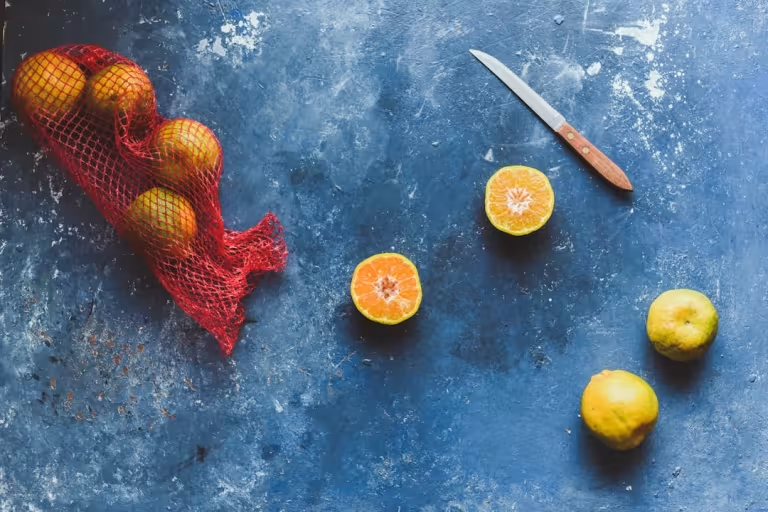
Are you ready to transform everyday fruit into something truly extraordinary? Crafting a special fruit dish, often referred to as an 'sp.fruits dish', is an art form that delights the senses and elevates any meal or occasion. This article will guide you through selecting unique produce, mastering preparation techniques, and creating stunning culinary delights that impress your guests and satisfy your palate. Prepare to explore the vibrant world of fruit cookery and discover how simple ingredients can yield spectacular results.
Understanding What Makes a Fruit 'Special'
The journey to crafting an exceptional sp.fruits dish begins with understanding what truly makes a fruit 'special'. It's more than just its appearance; it's about flavour, texture, aroma, and often, its rarity or peak seasonality. Moving beyond the common apples and bananas, we delve into a world of produce that can truly transform a simple serving into a culinary statement.
Exotic and Rare Finds
Consider fruits that aren't typically found in your local supermarket aisle. Varieties like the vibrant dragon fruit, with its striking pink skin and speckled white flesh, offer a mild sweetness and a unique visual appeal. Mangosteen, often called the 'Queen of Fruits', boasts a delicate, sweet-tart flavour hidden beneath a deep purple rind. Rambutan, a hairy cousin to the lychee, provides a juicy, floral burst. Incorporating these exotic options immediately elevates a dish, making it memorable and intriguing. They are perfect for creating truly gourmet fruit platter ideas that stand out.
Beyond the exotic, there are rare or heritage varieties of more familiar fruits. Seek out specific types of berries, plums, or peaches that might only be available from specialist growers or farmers' markets. A heritage apple, for instance, might offer a complexity of flavour and aroma far beyond a standard supermarket Gala.
The Power of Peak Seasonality
Even common fruits become 'special' when enjoyed at the absolute peak of their season. A strawberry picked in mid-summer, bursting with sweetness and fragrance, is a world apart from one flown in during winter. The same applies to ripe, juicy peaches in August, or crisp, sweet cherries in June. When fruits are in season, their natural sugars are at their highest, their textures are perfect, and their flavours are most intense. This is when they require the least intervention to shine in an sp.fruits dish.
Tips for Selecting Special Fruits:
- Visit Farmers' Markets: These are often the best places to find seasonal, locally grown, and sometimes rare fruit varieties.
- Ask the Experts: Don't hesitate to chat with vendors or greengrocers about what's best and what's coming into season.
- Inspect Carefully: Look for vibrant colours, firm but not hard textures, and a pleasant aroma. Avoid any signs of bruising or mould.
- Taste if Possible: Some markets offer samples, allowing you to truly appreciate the fruit's quality before purchasing.
By thoughtfully choosing your produce, you lay the foundation for an extraordinary fruit creation. The inherent qualities of these special fruits will do much of the work for you, ensuring your dish is not just delicious, but truly unforgettable.
Essential Techniques for Fruit Preparation
Once you've selected your exquisite fruits, mastering the art of preparation is paramount to showcasing their natural beauty and flavour in any sp.fruits dish. Proper techniques ensure not only an appealing presentation but also a delightful eating experience. From precise cuts to flavour-enhancing methods, these skills are fundamental.
Peeling, Slicing, and Segmenting for Presentation
Peeling: While some fruits are best enjoyed with their skin, others benefit from careful peeling. For delicate fruits like kiwi or mango, a sharp peeler or a small, flexible knife is essential. For citrus, a paring knife can be used to remove the zest and pith, leaving only the juicy segments.
Slicing: Uniformity in slicing is key for an elegant presentation. Whether you're creating thin rounds of star fruit, delicate fans of pear, or neat cubes of melon, consistent sizing makes a dish look professional and ensures even bites. A sharp chef's knife or mandoline can help achieve precision.
Segmenting Citrus (Supremes): This technique involves carefully removing the skin, pith, and membrane from citrus fruits, leaving only the pure, juicy segments. It's a skill that transforms an ordinary orange or grapefruit into a refined component for a unique fruit salad recipe or a delicate garnish. To do this, first slice off the top and bottom of the fruit. Then, stand it on one end and carefully slice downwards, following the curve of the fruit, to remove all the peel and white pith. Once peeled, hold the fruit over a bowl and slice along the membranes to release each segment, letting the juice drip into the bowl for later use.
Preventing Discolouration
Many fruits, particularly apples, pears, and bananas, oxidise and turn brown when exposed to air. This can detract from the visual appeal of your sp.fruits dish. To combat this, a simple solution of lemon juice and water is highly effective. A quick dip or brush with this mixture will keep your fruit looking fresh and vibrant. Ascorbic acid (Vitamin C) powder, available in health food shops, can also be dissolved in water for a more potent anti-browning agent.
Simple Syrups and Maceration for Enhanced Flavour
Simple Syrups: A basic simple syrup (equal parts sugar and water, gently heated until sugar dissolves) can be a game-changer. It adds a touch of sweetness and moisture to fruits, especially those that might be slightly under-ripe or a little dry. Infuse your syrup with herbs like mint or basil, spices like star anise or cinnamon, or citrus zest for an added layer of flavour that complements your chosen fruits beautifully.
Maceration: This technique involves gently tossing cut fruit with a small amount of sugar, citrus juice, or a liqueur, then allowing it to sit for a period. The sugar draws out the fruit's natural juices, creating a light, flavourful syrup, while the fruit itself becomes softer and more intensely flavoured. Macerated berries, for example, are a classic and simple way to prepare a truly special fruit component for a dessert.
By applying these essential preparation techniques, you not only preserve the integrity and beauty of your chosen fruits but also significantly enhance their flavour and texture, setting the stage for an unforgettable culinary experience. For more ideas and creative prompts in the kitchen, you might want to Click Me.
Classic 'Sp.Fruits Dish' Recipes to Try
With your understanding of special fruits and essential preparation techniques, it's time to delve into some classic recipes that truly celebrate fruit in elegant and delicious ways. These dishes serve as excellent starting points for creating your own memorable sp.fruits dish, demonstrating how simple ingredients can combine to form something truly spectacular.
Sophisticated Fruit Salads
Forget the basic fruit cocktail; a sophisticated fruit salad is a symphony of textures, colours, and complementary flavours. The key to unique fruit salad recipes lies in thoughtful combinations and a light, flavourful dressing. Instead of just chopping everything together, consider:
- Tropical Medley with Lime-Mint Dressing: Combine segments of mango, papaya, pineapple, and dragon fruit. Whisk together fresh lime juice, a touch of honey, and finely chopped mint for a refreshing dressing.
- Berry and Stone Fruit Salad with Balsamic Glaze: Mix fresh strawberries, raspberries, blueberries, and sliced peaches or nectarines. Drizzle lightly with a reduced balsamic glaze and a sprinkle of fresh basil leaves. The balsamic adds a surprising depth that pairs wonderfully with the sweetness of the fruit.
- Citrus and Pomegranate Salad: Use supremes of oranges, grapefruits, and mandarins, then scatter with vibrant pomegranate seeds. A light dressing of orange blossom water and a pinch of pistachios can add an aromatic and textural contrast.
These salads are not only visually stunning but also offer a delightful array of tastes, making them perfect as a light dessert or a refreshing accompaniment.
Elegant Fruit Tarts and Crumbles
Fruit tarts and crumbles are timeless desserts that allow the fruit to be the star. They can easily be adapted to become healthy fruit dessert recipes by adjusting sugar content or using wholemeal flours.
- Seasonal Berry Tart: A crisp shortcrust pastry shell, filled with a delicate crème pâtissière, and topped generously with an assortment of fresh, seasonal berries (strawberries, raspberries, blueberries). A light glaze of warmed apricot jam adds shine and a touch of sweetness.
- Roasted Pear and Almond Tart: Arrange thinly sliced, slightly roasted pears over an almond frangipane filling in a sweet pastry case. The roasting brings out the pears' natural sugars and creates a beautiful caramelisation.
- Apple and Blackberry Crumble with Oat Topping: A quintessential British dessert. Use a mix of tart cooking apples and sweet blackberries. For a healthier twist, reduce the sugar in the fruit filling and make the crumble topping with rolled oats, wholemeal flour, and a smaller amount of butter and brown sugar. Serve warm with a dollop of Greek yoghurt or a light custard.
- Rhubarb and Ginger Crumble: The tartness of rhubarb pairs wonderfully with the warmth of ginger. Cook the rhubarb down slightly before adding the crumble topping for a comforting and flavourful dish.
Delicate Fruit Compotes
Compotes are simple yet sophisticated preparations where fruit is gently cooked in a light syrup, often with spices or aromatics. They are incredibly versatile and can be served warm or cold, as a topping, a side, or a light dessert on their own.
- Spiced Plum Compote: Halved plums cooked slowly with a touch of sugar, cinnamon sticks, and star anise until tender and syrupy. This is wonderful with yoghurt, porridge, or alongside a rich vanilla ice cream.
- Apricot and Vanilla Bean Compote: Fresh or dried apricots simmered with water, a little sugar, and the seeds from a vanilla bean. The vanilla truly brings out the delicate sweetness of the apricots.
- Mixed Berry Compote with Orange Zest: A quick compote made from a mix of berries, a splash of water, a hint of sugar, and fresh orange zest. This is fantastic over pancakes, waffles, or as a vibrant addition to a breakfast parfait.
These classic recipes demonstrate the versatility of fruit and how, with a little care and attention to detail, you can create truly special dishes that are both comforting and elegant. Experiment with different fruits and flavour combinations to find your own favourites.
Frequently Asked Questions (FAQs)
Q1: How can I make my fruit dishes healthier without sacrificing flavour?
A1: Focus on using peak-season fruits, which are naturally sweeter and more flavourful, reducing the need for added sugar. Use natural sweeteners like honey, maple syrup, or stevia sparingly. Incorporate spices like cinnamon, nutmeg, or ginger, and fresh herbs such as mint or basil, to add depth of flavour without extra calories. For creamy elements, opt for Greek yoghurt or coconut cream instead of heavy cream.
Q2: What are some good flavour pairings for common fruits?
- Apples: Cinnamon, nutmeg, caramel, cheddar cheese, walnuts.
- Berries (strawberries, raspberries, blueberries): Mint, basil, lemon, balsamic vinegar, chocolate, cream.
- Pears: Blue cheese, walnuts, ginger, vanilla, cinnamon.
- Citrus (oranges, lemons, grapefruit): Mint, basil, olive oil, honey, rosemary, thyme.
- Mango: Lime, chilli, coconut, ginger, mint.
Q3: How far in advance can I prepare a special fruit dish?
A3: This depends on the dish. Fruit salads are best assembled closer to serving time, especially if they contain delicate fruits or those prone to browning. However, you can prepare components like dressings, simple syrups, or segment citrus ahead of time. Compotes can often be made a day or two in advance and stored in the refrigerator. Tarts can have their pastry cases baked ahead, with the filling and fresh fruit added closer to serving.
Q4: What's the best way to store leftover fruit dishes?
A4: Store leftover fruit dishes in an airtight container in the refrigerator. Delicate fruit salads are best consumed within 24 hours. Compotes and tarts will typically last 2-3 days. If a dish contains cream or custard, be mindful of its shorter shelf life.
Further Reading Suggestions
- Exploring Seasonal Produce Guides: Delve into comprehensive guides that detail what fruits are in season month by month in your region.
- The Art of Fruit Carving: Discover techniques for intricate fruit carving to add an even more dramatic visual element to your platters.
- Global Fruit Varieties: Learn about lesser-known fruits from around the world and how they are used in different cuisines.
- Healthy Baking with Fruit: Find recipes and tips for reducing sugar and fat in fruit-based desserts while maintaining flavour.
Conclusion
From selecting the most vibrant, seasonal produce to mastering delicate preparation techniques, crafting the perfect sp.fruits dish is a rewarding culinary adventure. We've explored how exotic finds and peak seasonality can transform a simple fruit into something truly special, and how essential skills like precise slicing and maceration can elevate flavour and presentation. Whether you're creating sophisticated unique fruit salad recipes, elegant tarts, or comforting compotes, the principles remain the same: respect the fruit, understand its characteristics, and let its natural beauty shine.
Embrace the joy of experimenting with different combinations, textures, and flavour profiles. The world of fruit cookery is vast and full of delightful possibilities, offering endless opportunities to create stunning gourmet fruit platter ideas and wholesome healthy fruit dessert recipes. So, gather your ingredients, sharpen your knives, and prepare to impress with your next extraordinary fruit creation. Happy cooking!
Update On 07 Jan 2026
We explored the art of crafting exceptional 'sp.fruits dishes', focusing on how to select unique and seasonal produce to elevate any meal. Key takeaways include understanding what makes a fruit 'special'—its flavour, texture, aroma, rarity, and seasonality—and mastering essential preparation techniques like peeling, slicing, and preventing discolouration. We also delved into classic recipes for sophisticated fruit salads, elegant tarts, and delicate compotes, offering inspiration for creating memorable culinary experiences. Consider how these insights can transform your approach to fruit preparation and presentation, encouraging you to experiment with new flavours and techniques.