
Unlock the Secret to Perfect Lemon Juice Every Time
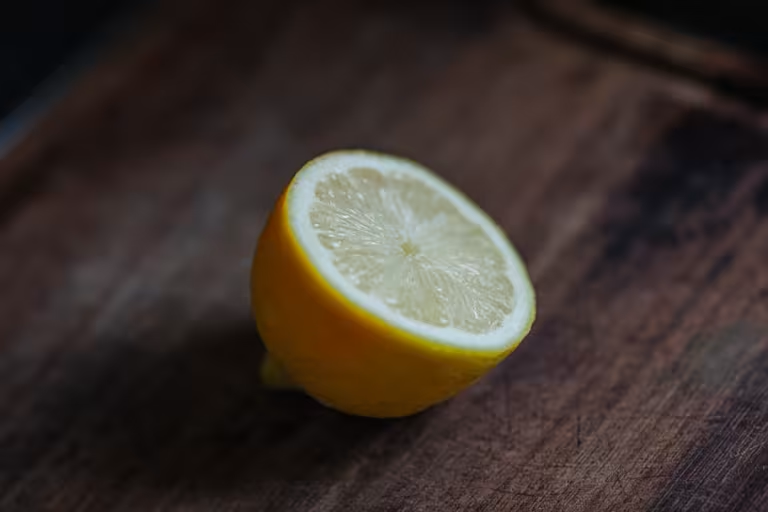
Achieving consistently excellent lemon juice can transform your cooking, baking, and beverage making. Many home cooks struggle with getting enough juice from their lemons or end up with a bitter taste. This article will guide you through every step, from selecting the best fruit to mastering extraction techniques, ensuring you get perfect lemon juice every time. Say goodbye to wasted lemons and hello to bright, vibrant flavor in all your culinary creations.
Choosing the Best Lemons for Juicing
The journey to perfect lemon juice begins long before you even think about squeezing. It starts with selecting the right lemons. Not all lemons are created equal when it comes to juicing, and a little knowledge can make a big difference in your yield and flavor.
Appearance Matters
When you're at the grocery store or farmer's market, take a moment to observe the lemons. Look for fruit with a bright, vibrant yellow color. Avoid any lemons with green patches, as these indicate immaturity and will likely yield less juice and a more tart, less balanced flavor. Similarly, steer clear of lemons with significant blemishes, soft spots, or shriveled skin, which can be signs of spoilage or dehydration.
The skin itself should appear smooth and relatively thin. Thicker-skinned lemons often have more pith (the white part under the rind), which means less juicy pulp inside. While it's hard to tell skin thickness just by looking, a smooth, taut appearance is generally a good indicator.
Feel for Firmness and Weight
Pick up a few lemons and feel them. A good juicing lemon should feel firm but not hard. It should have a slight give when gently squeezed, indicating a juicy interior. If a lemon feels rock hard, it's likely dry and won't yield much liquid. If it feels too soft or mushy, it might be overripe or spoiled.
Perhaps the most telling sign is its weight. A lemon that feels heavy for its size is usually packed with juice. Compare a few lemons of similar size; the heavier one is almost always the better choice for juicing. This simple test is one of the most reliable ways to predict a high juice yield.
Aroma is Key
Don't underestimate your sense of smell. A fresh, ripe lemon should have a distinct, pleasant citrus aroma, even before you cut into it. Give the lemon a gentle scratch with your fingernail and sniff. A strong, fragrant scent suggests a lemon bursting with essential oils and flavor, which will translate into superior juice.
Preparing Your Lemons for Maximum Juice Extraction
Once you've chosen your prime lemons, a few simple preparation steps can significantly increase the amount of juice you get. These lemon juice extraction tips are often overlooked but make a considerable difference.
Wash Thoroughly
Before doing anything else, always wash your lemons under cool running water. Even if you're not using the zest, bacteria and pesticides can be present on the skin and transferred to the juice when you cut or squeeze the fruit. A quick scrub with a produce brush can also help remove any stubborn dirt.
Warm Them Up
Cold lemons are less yielding than warm ones. The membranes inside the lemon that hold the juice are tighter when cold. Bringing your lemons to room temperature, or even slightly warming them, helps to relax these membranes, making it easier to release the liquid.
- Room Temperature: If you store your lemons in the refrigerator, take them out at least 30 minutes to an hour before you plan to juice them.
- Microwave Method: For a quicker warm-up, place a whole lemon in the microwave for 10-20 seconds. Be careful not to overheat it, as this can cook the fruit and alter the flavor.
- Hot Water Bath: Alternatively, you can submerge lemons in a bowl of warm (not boiling) water for a few minutes.
Roll Them Out
This is one of the most effective lemon juice extraction tips. Before cutting, place the lemon on a clean, firm surface (like a cutting board or countertop). Apply firm, even pressure with the palm of your hand and roll the lemon back and forth for about 10-15 seconds. You should feel the lemon soften slightly as you do this. Rolling helps to break down the internal membranes and release the juice, making it much easier to extract.
The Best Way to Squeeze Lemons for Juice
With your lemons perfectly prepped, it's time for the main event: squeezing. There are several methods, and the best way to squeeze lemons for juice often depends on the quantity you need and the tools you have available. Each method has its advantages for achieving that perfect lemon juice.
Manual Squeezing (No Tools)
If you only need a small amount of juice and don't have any tools, you can still get a decent yield. Cut the lemon in half lengthwise (from stem to blossom end). Hold one half over a bowl or cup, cut-side down, and squeeze firmly with both hands. Twist the lemon as you squeeze to help dislodge the pulp and release more juice. This method is simple but can be messy and less efficient for larger quantities.
Using a Hand Reamer or Juicer
For consistent results and less effort, a hand reamer or a handheld citrus juicer is an excellent investment. These tools are designed to extract juice efficiently while catching seeds.
- Hand Reamer: Cut the lemon in half. Press the cut side onto the reamer's cone and twist firmly, applying downward pressure. The pointed design helps to break up the pulp and release juice.
- Handheld Citrus Juicer (Squeezer): These typically resemble a pair of pliers with a cup for the lemon half. Place a lemon half cut-side down into the cup, then press the handles together. This method is incredibly efficient, requires less strength, and often filters out seeds automatically. It's widely considered the best way to squeeze lemons for juice for most home cooks due to its balance of efficiency and ease of use.
Electric Juicers
If you regularly need large quantities of lemon juice, an electric citrus juicer can be a time-saver. These machines typically have a motorized reamer that spins, requiring minimal effort from you. Simply cut the lemon in half, place it on the reamer, and press down. The juice collects in a reservoir below, often with a built-in strainer.
Straining for Clarity
Regardless of the method you use, it's a good practice to strain your fresh lemon juice. This removes any seeds and large pieces of pulp, ensuring a smooth, clear liquid. A fine-mesh sieve placed over your collecting container works perfectly. For an even clearer juice, you can line the sieve with cheesecloth.
Refining Your Lemon Juice: Taste and Storage
Once you've extracted your juice, a few final steps can ensure it's truly perfect and ready for use. This includes addressing potential bitterness and proper storage to maintain its fresh flavor. Knowing how to make lemon juice taste better often comes down to these details.
Avoiding Bitterness
Sometimes, lemon juice can have an unpleasant bitter aftertaste. This is usually due to the pith, the white spongy layer between the zest and the fruit. When you squeeze too aggressively, or if you're using a method that grinds the pith, its bitter compounds can be released into the juice.
- Don't Over-Squeeze: While you want to get as much juice as possible, stop squeezing once the lemon feels mostly dry. Continuing to twist and press a completely depleted lemon can force bitter oils from the rind and pith into your juice.
- Cut Wisely: If you're hand-squeezing, avoid cutting too deeply into the pith.
- Use the Right Tools: Handheld citrus squeezers are generally good at separating the juice from the pith, minimizing bitterness.
Adjusting Flavor
Fresh lemon juice is naturally tart, but its intensity can vary. If you find your juice too sharp for a particular recipe, you can slightly dilute it with a tiny amount of water. Conversely, if you want to brighten a dish without adding too much liquid, a small pinch of salt can actually make the lemon flavor pop and seem less acidic, without making it taste salty. This is a chef's trick for how to make lemon juice taste better in savory applications.
Storage Tips for Freshness
Fresh lemon juice is best used immediately, but it can be stored for later use.
- Refrigeration: Store fresh lemon juice in an airtight container (a glass jar with a tight lid is ideal) in the refrigerator for up to 3-4 days. Its flavor will gradually diminish over time, so use it sooner rather than later.
- Freezing: For longer storage, lemon juice freezes beautifully. Pour it into ice cube trays and freeze until solid. Once frozen, transfer the cubes to a freezer-safe bag or container. Frozen lemon juice cubes can last for several months and are convenient for adding a burst of lemon to recipes as needed. Each cube is typically about 1-2 tablespoons, making portioning easy.
Creative Uses for Your Perfect Lemon Juice
Now that you've mastered the art of creating perfect lemon juice, it's time to put it to good use. Its versatility extends far beyond simple lemonade, adding brightness and depth to countless dishes and drinks.
In the Kitchen: Cooking and Baking
- Marinades: Lemon juice is a fantastic tenderizer and flavor enhancer for meats, poultry, and fish. Its acidity helps break down tough fibers and infuses a fresh taste.
- Dressings and Vinaigrettes: A staple in salad dressings, lemon juice provides a zesty tang that balances oils and other flavors.
- Sauces: A squeeze of lemon juice can brighten rich sauces, cut through fattiness, and prevent oxidation in ingredients like avocados or apples. Think hollandaise, beurre blanc, or even a simple pan sauce.
- Baking: Lemon juice is essential in many desserts, from lemon meringue pie and lemon bars to cheesecakes and glazes. It adds a vibrant citrus note and can even react with baking soda to provide lift.
- Finishing Touch: A final drizzle over roasted vegetables, grilled fish, or even a bowl of soup can elevate the entire dish.
Refreshing Beverages
- Lemonade and Iced Tea: The classics never go out of style. Fresh lemon juice is the foundation for the best homemade lemonade and a vital component in refreshing iced tea.
- Cocktails and Mocktails: From a classic Whiskey Sour to a refreshing Mojito, lemon juice is a cornerstone of mixology, providing balance and acidity.
- Infused Water: Add slices of lemon to your water for a subtle, refreshing flavor that encourages hydration.
Beyond the Plate: Household Uses
While our focus is culinary, it's worth noting that perfect lemon juice also has practical applications around the house:
- Natural Cleaner: Its acidity makes it an effective natural cleaner for cutting boards, countertops, and even polishing copper.
- Odor Neutralizer: A bowl of lemon water can absorb unpleasant odors in the refrigerator or microwave.
Embracing the full potential of perfectly extracted lemon juice opens up a world of flavor and utility, proving its value far beyond a simple garnish.
Frequently Asked Questions About Lemon Juice
Q: Can I use bottled lemon juice instead of fresh?
A: While bottled lemon juice is convenient, it often contains preservatives and lacks the vibrant, fresh flavor of freshly squeezed juice. For the best results, especially in recipes where lemon is a prominent flavor, fresh is always preferred. Bottled juice can be a substitute in a pinch for less flavor-sensitive applications.
Q: How much juice does one lemon typically yield?
A: On average, one medium-sized lemon yields about 2-3 tablespoons (30-45 ml) of juice. However, this can vary based on the lemon's size, ripeness, and the extraction method used. Following the preparation tips in this article can help you maximize your yield.
Q: What's the difference between lemon juice and lime juice?
A: Both are acidic citrus juices, but lemon juice is generally sweeter and less tart than lime juice, with a distinct floral aroma. Lime juice tends to be more intensely sour and has a slightly different aromatic profile. They are not always interchangeable in recipes, as their unique flavors contribute differently to a dish.
Q: My lemon juice tastes bitter. What went wrong?
A: Bitterness usually comes from squeezing too much of the white pith into the juice. The pith contains compounds that are bitter. To avoid this, don't over-squeeze the lemon once most of the juice is out, and use tools that effectively separate the juice from the pith, like a handheld citrus squeezer.
Further Reading Suggestions
- For more on citrus varieties and their uses, explore resources on different types of lemons and limes.
- Learn about the science of acidity in cooking and how it impacts flavor and texture.
- Discover advanced techniques for making homemade citrus extracts and essential oils.
Conclusion
Achieving perfect lemon juice is a simple skill that yields significant rewards in the kitchen. By carefully selecting your lemons, employing effective preparation techniques like warming and rolling, and choosing the right squeezing method, you can consistently extract the maximum amount of bright, flavorful juice without any bitterness. Whether you're enhancing a savory dish, crafting a refreshing beverage, or baking a delightful dessert, the quality of your lemon juice makes a tangible difference. Embrace these straightforward steps, and you'll find yourself reaching for fresh lemons more often, confident in the vibrant results you'll achieve every time.